Skip to content

Course pathways for home textiles

Courses

Each program is designed to be calm, structured, and practical. You will learn how to choose materials, plan measurements, sew clean seams, and apply finishing details that suit everyday life in a modern home. Explore a pathway that matches the room you want to improve, from bedding to curtains and decorative accessories.

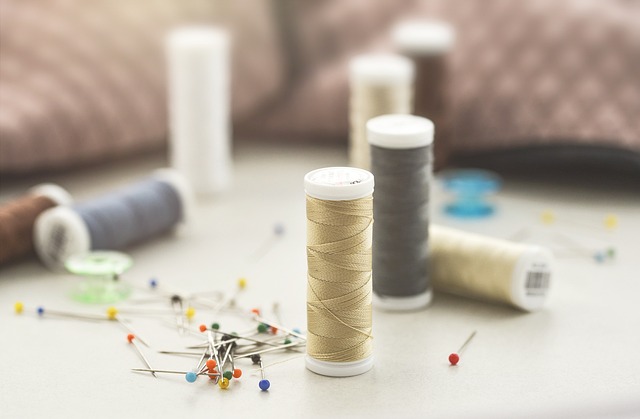
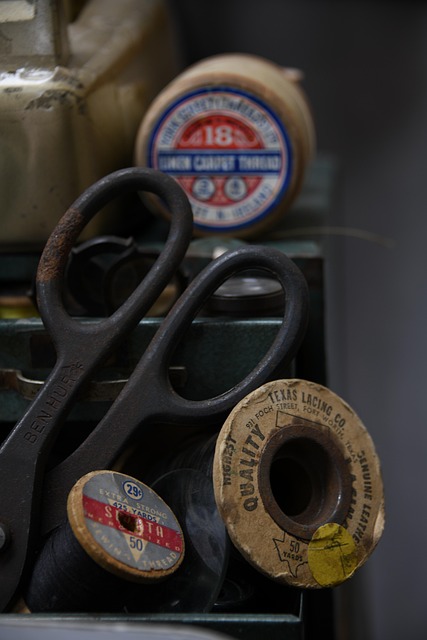
sewing class environment with fabric samples scissors thread calm studio

Learn at a comfortable pace

Modules are written to support steady progress with clear practice suggestions and finishing checklists.

fabric swatches in beige ivory muted pastel tones close-up
cozy interior with cushions blankets soft textures modern home comfort

Course approach

Home textile projects often look simple from a distance, but comfort comes from careful choices: a fabric that drapes well, seams that stay flat after washing, and finishing details that feel neat in daily use. Our courses focus on these practical foundations. You will learn how to plan measurements for common home items, how to prepare fabric to reduce surprises later, and how to choose stitches and seam finishes based on stress, stretch, and laundering needs.

We also include an interior comfort lens. Instead of treating sewing as separate from the room, we connect decisions to real spaces: how curtain fullness affects light and privacy, how a cushion insert changes the silhouette, or how layering textures can calm a bedroom. The result is skill-building that supports both craftsmanship and a refined home atmosphere.

What you can expect

  • Plain-language explanations with clear definitions of sewing terms.
  • Technique choices linked to comfort, durability, and fabric care routines.
  • Practice suggestions that fit into a home schedule, without pressure.
  • Interior styling notes for calm color pairing and texture layering.

Where to start

If you are new, begin with Sewing Basics and Fabric Selection. If you already sew, choose a project course and use the technique library to refine your finishing.

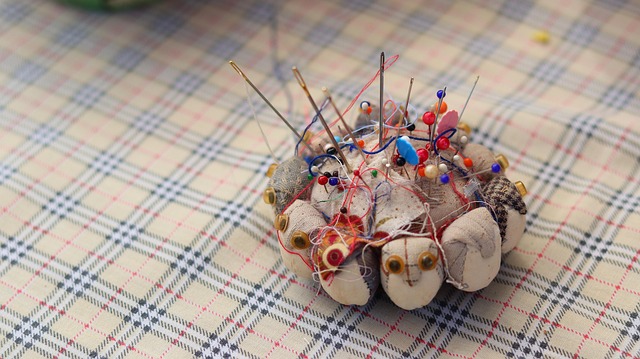
hands stitching fabric with needle thread calm crafting close-up

Programs

A selection of core learning paths for home textiles. Each card summarizes the focus, the types of projects you will practice, and the skills you can refine. For deeper background on fibers, stitches, and fabric care, see Materials and Techniques.

Ask about a learning path
fabric rolls and swatches for selecting home textiles linen cotton neutral palette

Fabric Selection for Home Comfort

Foundation

Learn how to compare fibers, weights, weaves, and finishes for bedding, curtains, and upholstery-style accents. Focus on drape, breathability, opacity, and care requirements.

Includes planning notes for shrinkage, pre-washing, and sample testing before committing to a full project.

Cotton Linen Blends
sewing basics with machine and measuring tape calm workspace

Sewing Basics for Home Textiles

Beginner

Build strong fundamentals: straight seams, pressing routines, seam allowances, and clean edges. Understand needles, threads, and stitch length choices for home-use fabrics.

Practice with small projects that help you gain control and consistent results without overwhelming complexity.

Seams Pressing Hems
bedding creation with duvet cover and pillowcases handmade textiles calm bedroom

Bedding Creation Studio

Project

Design and sew bedding pieces with a comfort-first mindset. Learn measuring for duvets and pillows, closures that stay neat, and finishes that hold up to frequent washing.

Includes guidance on fabric feel, breathability, and maintaining a refined look with simple details.

Duvet cover Pillowcases Finishing
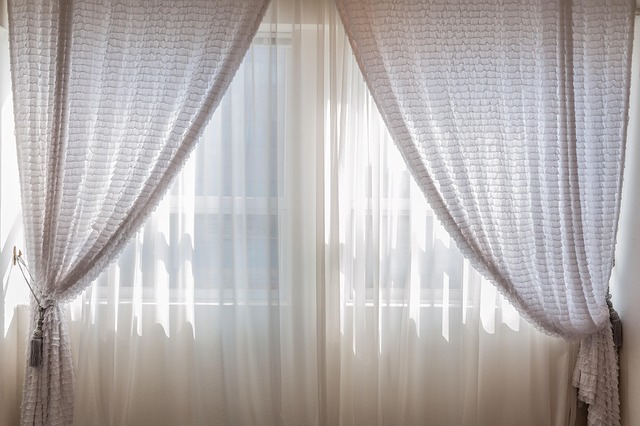
curtain sewing and fabric drape measuring window treatment calm interior

Curtains and Light Control

Project

Learn how to plan curtain fullness, hem weights, and lining choices. Understand how fabric opacity and texture influence light, privacy, and the calmness of a room.

Focuses on accurate measuring, tidy headers, and durable hems that hang evenly over time.

Drape Lining Hems
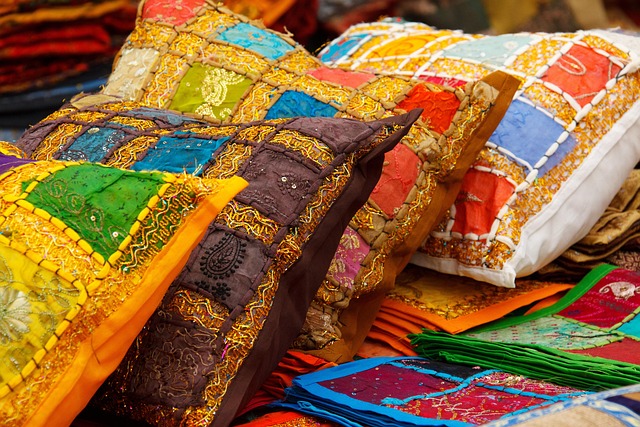
cushion making with inserts and decorative pillows neutral tones

Cushions and Decorative Textiles

Project

Create cushion covers with clean corners, balanced proportions, and closures that suit everyday use. Explore piping, envelope backs, zips, and neat topstitching.

Includes interior styling notes for pairing textures and muted colors without visual noise.

Zips Envelope Piping
handmade home accessories fabric baskets table runners decorative textiles

Handmade Home Accessories

Project

Design smaller accents that bring warmth to everyday routines: table runners, fabric storage, simple throws, and decorative details with clean edges.

A calm place to practice accuracy, pressing, and finishing, while building a cohesive textile palette for your home.

Accessories Edges Texture

Suggested learning paths

If you prefer a gentle structure, choose a path and move in small steps. These suggestions keep the focus on fundamentals first, then on projects, then on refinement. You can always dip into Resources for additional practice guides and inspiration when you want an extra perspective.

New to sewing

Start with Fabric Selection and Sewing Basics, then make a cushion cover. This sequence helps you practice accurate seams and tidy edges before moving to larger textiles like curtains and bedding.

Refreshing a bedroom

Focus on bedding first, then add a throw and cushion textures for layering. This approach builds a cohesive palette and comfort feel, while strengthening your finishing and care routine.

Improving light and privacy

Explore curtain planning and lining choices, then practice neat hems and headers. You will learn how fabric density and fullness shape the mood of a room without overcomplicating the design.

Refining finishing details

If you already sew, use the technique library to revisit pressing, seam finishes, and edge work. Small changes can make textiles look calmer and feel more durable.

A note on safety and suitability

Our courses are educational and focus on general craft skills. For specialized installations or compliance requirements, such as fire safety standards for certain environments, consult local professionals and follow manufacturer guidance for fabrics and hardware. Sewing involves tools and heat, so work carefully, keep a tidy workspace, and store sharp tools safely.

If you are unsure which fabric or method fits your project, contact us with a short description of your goals. We use your message to respond with guidance and relevant reading suggestions.