Skip to content

Frequently asked questions

FAQ for home textile learning

This page answers practical questions about courses, tools, fabric selection, and technique choices. If you cannot find what you need, you can reach us through the contact page and we will respond using your message details.

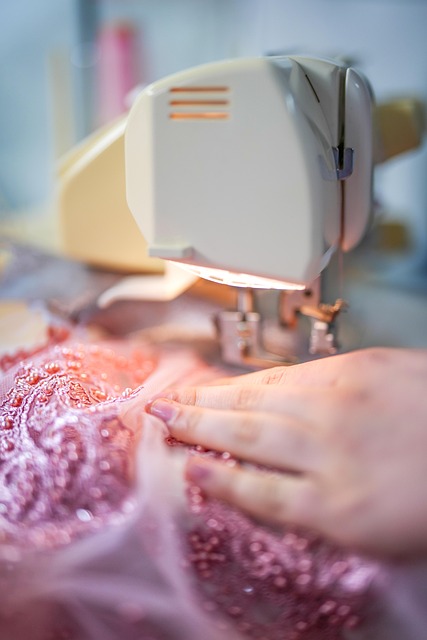
sewing tools and fabric textures calm workspace neutral tones

Designed for clarity

We keep answers specific, practical, and aligned with real home projects such as curtains, cushions, and bedding.

Quick topics

Use these categories to orient yourself. The questions are written to help you plan a first project, refine technique, and care for finished textiles so they stay comfortable over time.

Related reading

The Learning Resources section includes fabric guides, measurement checklists, and inspiration for calm home styling through textiles.

Go to Resources

Courses and learning structure

Our courses are designed to be calm and practical. They focus on methods you can apply to real home textiles, with clear explanations of preparation, assembly, and finishing.

What types of courses do you offer?
We cover fabric selection, sewing basics, bedding creation, decorative textiles, and handmade home accessories. Each program aims to connect technique with comfort and interior styling so the results suit everyday use.
Do I need a sewing machine?
A sewing machine makes larger projects faster, but it is not required to begin learning. Many foundational skills such as accurate measuring, pressing, hand basting, and understanding seams translate directly to machine sewing later.
How should I plan my first project?
Start with an item that has simple shapes and clear measuring points, such as a cushion cover or a small table runner. This helps you practice straight seams, pressing, and edge finishes before moving to larger pieces like curtains.
Where can I find technique explanations outside of courses?
Visit Materials & Techniques for stitch and finish guidance, and Resources for educational articles and planning checklists.

Materials and fabric choice

Fabric is both the feel and the function of a textile. Choosing well can simplify sewing and make the finished piece more comfortable to live with.

Which fabrics work well for bedding?
Cotton percale and sateen are common choices for comfort against skin, while linen offers breathability and a relaxed texture. Consider shrinkage and care requirements before cutting, especially if you plan frequent washing.
What should I look for when choosing fabric for curtains?
Think about drape, opacity, and how the fabric interacts with light. Heavier fabrics can soften sound and add warmth, while lighter weaves brighten a room. Also consider lining needs and how the fabric will hang after pressing.
Do I need to pre-wash fabric?
For most washable home textiles, pre-washing helps manage shrinkage and removes finishing chemicals that can affect pressing. Match the wash method to how you expect to care for the final item and press the fabric before measuring and cutting.
What does fabric weight mean in practice?
Weight influences how a textile drapes, how opaque it is, and how it behaves under a presser foot or needle. Lightweight fabrics can shift and require careful handling, while heavier fabrics benefit from stable seams, good pressing, and thoughtful hem structure.

Techniques and finishing

Finishing details affect how long a textile lasts and how refined it feels. Small choices like seam finish and hem structure make a noticeable difference in daily use.

What is a good seam finish for washable items?
Options include zigzag finishing, overlocking, or enclosed seams. The best choice depends on fabric fray, thickness, and the look you want. For bedding, enclosed seams can feel neat and reduce fraying after repeated washes.
Why is pressing mentioned so often?
Pressing is part of construction, not just the final step. It sets seams, sharpens edges for accurate topstitching, and improves drape. Even simple projects look more refined when pressed in stages.
How do I choose closures for cushion covers?
Envelope backs are simple and flexible. Zippers provide a tailored finish and help covers keep shape. Button plackets can look decorative but require careful spacing and reinforcement. Choose based on use, washing frequency, and the look you prefer.
How do I prevent uneven hems on curtains?
Hang or rest the fabric if it is likely to drop, measure from a consistent reference point, and press the hem fold precisely before stitching. For heavier fabrics, a structured hem with weights can improve the drape and reduce shifting.

Technique deep dive

If you want a structured overview of stitches, seam choices, and fabric handling, the Materials and Techniques section groups methods by practical home use.

Visit Materials & Techniques

Care and durability

Understanding care is part of good planning. A textile that is easy to maintain tends to be used more, and it stays comfortable longer.

How can I make handmade bedding last longer?
Choose durable fabric, pre-wash, use seam finishes suited to repeated laundering, and reinforce stress points like corner seams. A consistent washing routine and correct drying methods also reduce premature wear.
Should I worry about color fading?
Fading depends on dye type, washing, and sunlight exposure. For items near windows, consider linings or placement that reduces direct sun. Washing inside out and using gentle detergents can also help.
What is the best way to store seasonal textiles?
Store clean and fully dry textiles in breathable containers when possible. Avoid compressing delicate weaves for long periods, and keep items away from damp areas to reduce odor and mildew risk.
Why do some fabrics wrinkle more than others?
Fiber type and weave structure affect wrinkles. Linen and some cotton weaves crease naturally, which can be part of their charm. Pressing routines, hang-drying, and fabric blends can reduce wrinkling if you prefer a smoother look.

Interior comfort and styling

Home textiles influence warmth, sound, light, and the overall softness of a space. Styling is not about trends, it is about creating a calm atmosphere you enjoy living in.

How do I create a calm look with textiles?
Use a restrained palette and rely on texture for interest. Combine matte and lightly textured fabrics, and repeat tones across bedding, cushions, and curtains. Gentle contrast tends to feel more restful than high contrast patterns.
What is a practical approach to layering bedding?
Start with breathable sheets, add a mid-layer for warmth, and finish with a top layer that provides the visual frame. Vary texture slightly rather than changing the color drastically. This creates depth without feeling busy.
How can textiles improve light and privacy?
Sheers can soften daylight while maintaining brightness, and heavier curtains can create evening privacy and reduce glare. Linings can add weight and improve drape while protecting certain fabrics from sun exposure.
Where can I find visual inspiration?
The Gallery focuses on texture, calm rooms, and fabric details. The Resources section includes guides that translate inspiration into measurements and techniques.

Still have a question?

If your question is about fabric suitability, project planning, or where to start, send us a message through the contact page. We use the details you provide to respond and may point you to relevant course sections or resources.