Skip to content

Fabric knowledge and technique foundations

Materials & Techniques

Comfortable home textiles begin with understanding: how a fabric drapes, how it responds to washing, which stitches hold under daily use, and what finishing details make your work look calm and refined. This page brings those essentials together in a practical, home-focused way.

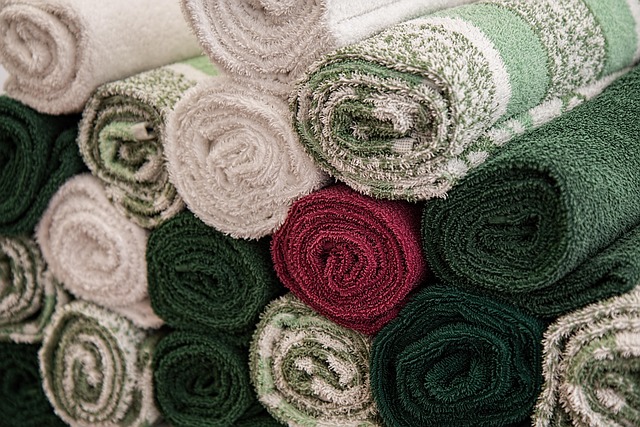
fabric textures swatches linen cotton neutral palette close-up

A calm approach to technical details

Focus on a few reliable options, understand why they work, and repeat them across projects to build confidence.

Fabric types for home spaces

When you choose fabric for a home project, the most useful questions are practical: How will it feel against skin? How often will it be washed? Does it need to block light, hold warmth, or simply add softness and texture? For calm interiors, fabrics that drape well and age gracefully often feel more restful than highly stiff or glossy materials.

Below are common categories used for bedding, curtains, cushions, and decorative accessories. We describe each in terms of comfort, durability, and care, so you can select what fits your room and routine rather than chasing trends.
Cotton and cotton blends

A practical staple for bedding and cushion covers. Look at weave and weight rather than only thread count. Pre-wash helps manage shrinkage and softens the hand.

Best for: pillowcases, duvet covers, quilt backs, everyday decor.

Linen

Known for breathability and a relaxed texture. Linen often wrinkles, but in calm interiors that lived-in finish can look elegant. It can soften significantly over time.

Best for: summer bedding layers, curtains with natural drape, table linens.

Wool and warm blends

Often used for throws and blanket-style layers. Wool regulates temperature well, but care requirements vary. Consider lining or gentle finishes for comfort.

Best for: blankets, winter throws, textured cushion fronts.

Synthetics and performance fabrics

Useful where durability or stain resistance matters. Pay attention to heat sensitivity when pressing and the feel against skin. Pair with calm colors to keep the look soft.

Best for: high-use cushions, lined window treatments, structured decor.

A simple fabric selection checklist

  • Purpose first: comfort, light control, warmth, durability, or decoration.
  • Weight and drape: hang a sample to see how it falls and moves.
  • Care routine: washing, drying, pressing, and long-term wear.
  • Color and texture: keep the palette muted, then add interest through weave and layering.
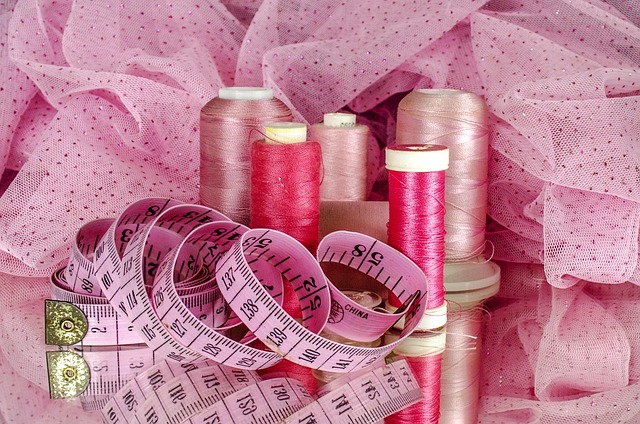
calm sewing table with fabric swatches measuring tape and scissors

Stitching and construction basics

Home textiles are handled, washed, and folded more than many garments. That means construction choices matter: seam stability, edge finishing, and thoughtful reinforcement at stress points. A small upgrade, like choosing the right seam finish for fraying fabric, can extend the life of a pillow cover or duvet edge.

We recommend learning a small set of techniques thoroughly and repeating them until they feel natural. This makes your process calmer, and the results more consistent across different projects.

Seam finishes

Choose finishes based on fraying and wash frequency. Zigzag or overcast stitching can reduce fray. French seams offer a clean interior on light fabrics and feel refined for bedding.

For bulky fabrics, prioritize flat seams that press cleanly and avoid stiffness.

Hems and edges

Double-fold hems are reliable for curtains and table linens. A narrow hem is calm and light for sheers, while a deeper hem can help curtains hang with better weight and shape.

Pressing in stages improves accuracy and keeps edges even.

Closures

For cushions, envelope backs are simple and comfortable to use. Hidden zips offer a clean look. Buttons can be decorative, but reinforce the area and plan spacing for easy removal.

For duvet covers, consider ties, snaps, or button plackets depending on style.

Pressing as a technique

Pressing is not the same as ironing. Press seams to set stitches, open or to one side depending on bulk, and use the right heat for the fiber. This creates a noticeably calmer finish.

Use a pressing cloth for delicate or synthetic fabrics to avoid shine.

Reliable stitches to practice

A small set of stitches can cover most home textiles. Practice on scraps, then apply the same rhythm to a real project. Consistency creates a refined look even when the design is simple.

Straight stitch

Seams, topstitching, and clean structural lines on most woven fabrics.

Zigzag / overcast

Quick edge protection to reduce fraying, useful for beginner setups.

Blind hem and hand stitch

Quiet, elegant finishing for hems and small openings, especially in decor.

Care, durability, and comfort

A calm interior is easier to maintain when textiles are chosen with care in mind. Before cutting, consider how the piece will be washed, dried, and pressed. For bedding, the repeated cycle of laundering can be the biggest source of wear, while curtains are affected by sunlight and dust. Cushions and throws see friction and movement.

Comfort also includes sensory details: softness against skin, breathability, and how a textile sounds and moves. Small decisions such as lining, seam placement, and fabric finish can change the day-to-day feel.

Pre-wash and preparation

Pre-wash fabric the way you plan to wash the finished item. This helps manage shrinkage, removes sizing, and often improves softness. Press after drying for accurate cutting.

For some fabrics, test a small sample first to confirm behavior.

Light and fading

Curtains and window textiles can fade in strong light. Consider lining or using fabrics with better color stability. Muted tones often age more gracefully.

In comfort design, light control can also support better rest and privacy.

Friction and reinforcement

High-touch areas like cushion corners and duvet openings benefit from reinforcement. Consider backstitching, bar tacks where appropriate, and durable seam finishes.

A simple choice, like slightly longer stitch length on heavier fabric, can reduce puckering and stress.

Comfort details

Consider soft seam placement, breathable layers, and gentle finishes. For bedding, keep bulky seams away from edges that touch skin.

For decor, weight and drape can make a room feel quieter and more grounded.

curtains fabric hanging with soft daylight calm interior

Care notes for common home projects

Think of care as part of design. If a textile is difficult to maintain, it may create stress rather than comfort. Aim for routines that fit your home and schedule.

Bedding

Prioritize breathable fibers, stable seams, and finishes that handle frequent washing.

Curtains

Consider lining, deep hems for weight, and fabrics that hold shape after pressing.

Cushions

Use removable covers where possible and choose fabrics that tolerate friction.

Throws & blankets

Select fibers with a comfortable hand and a care method you can repeat easily.

Interior styling principles for a restful look

Home textile craftsmanship is not only about sewing. Styling decisions shape how calm a room feels. The goal is to create comfort through proportion, texture, and light. Instead of relying on loud patterns, you can build interest through layering: matte and subtle sheen, smooth and nubby weaves, airy and weighted fabrics.

These principles support modern interiors across Ireland, where changing light and seasonal comfort needs often benefit from flexible layers and gentle color palettes.

Muted palettes, layered neutrals

Choose a base of warm beige, ivory, and soft greys, then add gentle pastels through small textiles. This keeps the room restful while allowing creativity.

Texture can do most of the visual work when colors stay quiet.

Proportion and repetition

Repeat shapes and seams across items to create cohesion: a similar hem depth on curtains and table linens, or consistent piping on cushions.

Small repeats read as intentional and calm.

Light control as comfort

Sheers soften daylight; lined curtains add privacy and warmth. Consider how textiles filter light at different times of day to support rest and focus.

Calm rooms often rely on gentle transitions rather than harsh contrast.

Handmade details, quietly placed

Use a single refined feature per piece: a subtle edge stitch, a neat envelope closure, or a textured panel. This keeps items elegant without feeling busy.

The aim is comfort through restraint and craftsmanship.

Next step

Apply these principles to a real project path in our courses, or browse the gallery for calm references and fabric-focused interiors.

Common technique questions

If a technique feels confusing, you are not alone. Many challenges come from small variables: fabric weight, needle choice, stitch length, or the order of pressing. Our FAQ and resources focus on practical troubleshooting, so you can keep moving without frustration.

Why is my seam puckering?

Check stitch length, thread tension, and whether the fabric is being pushed or pulled. Pressing after stitching can also relax the seam.

How do I keep hems even?

Measure and press in stages, use pins or clips consistently, and sew at a steady speed. A deeper hem can be easier to control on curtains.

What needle should I use?

Match needle size to fabric weight, and replace needles regularly. If you see skipped stitches or pulls, swap needle type and test on scraps.

Do I need to line curtains?

Lining can improve drape, insulation, and light control. It also protects the face fabric from sun exposure, which helps color last longer.

modern calm living room with layered textiles cushions throw blanket neutral palette