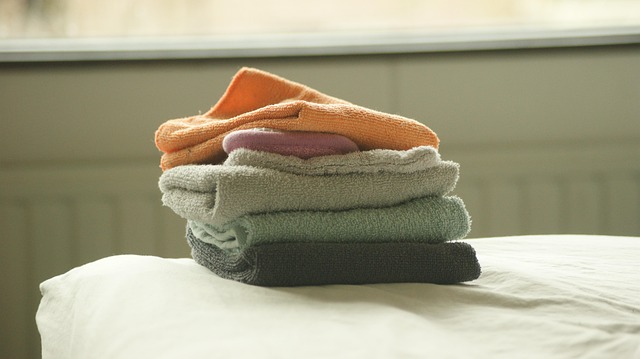
Choosing fabric for comfort and drape
Learn how weight, weave, and finish change the feel of bedding and the hang of curtains. Includes guidance on shrinkage planning and opacity checks.
Use it as a reference
Save time by checking measurements, allowances, and fabric notes before you cut. Calm planning makes sewing smoother.
These resources are written to support real projects, not just theory. Each guide focuses on a single decision or technique: choosing a fabric weight for drape, planning seam finishes for frequent washing, or building a simple routine for pressing. The goal is to help you avoid common friction points, so you can stay in a calm, creative flow.
If you are starting from the beginning, pair this page with our Courses and Materials and Techniques sections. Read the material notes first, then follow a course sequence for your chosen project type. When you encounter a new tool or step, return to these guides for a quick refresher. Learning feels more relaxed when you do not have to hold everything in your head at once.
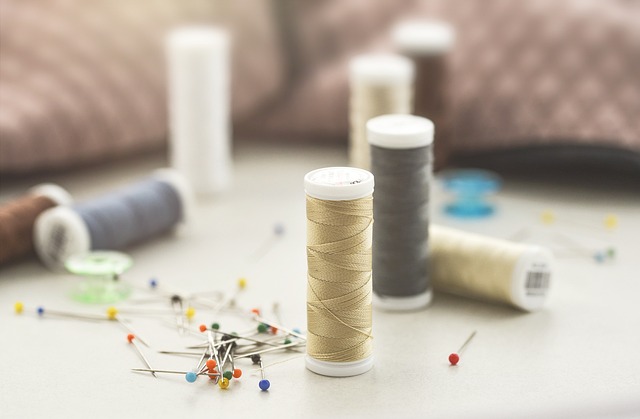
Plan with fabric swatches, test on scraps, press as you go, and finish edges for durability. Small steps reduce rework and keep your final pieces looking refined in everyday use.
Before you cut: check grain, pre-wash, and confirm measurements.
During sewing: stitch steadily and press seams to set shape.
Final finish: hem, tidy threads, and consider closures and care labels.
Curated sets of short reads. Each collection is designed around common home textile goals: better drape, cleaner finishing, calmer care routines, and interior-friendly styling decisions.
Learn how weight, weave, and finish change the feel of bedding and the hang of curtains. Includes guidance on shrinkage planning and opacity checks.
A practical approach to seam allowance accuracy, pressing habits, and edge finishing. Designed for projects that need frequent washing and daily use.
Understand lining choices, heading options, and hem weight for a calm hang. Includes notes on measuring and balancing proportions in modern interiors.
Compare closure types for look, durability, and ease of washing. Includes tips for crisp corners, consistent topstitching, and insert sizing.
Fabric choices for skin comfort, methods for stable hems, and practical notes on shrinkage and laundering. Includes a checklist for neat edges.
A gentle framework for combining weaves and finishes. Learn how to keep palettes soft, add depth with texture, and avoid visual clutter.
Home textiles become restful when they are made to be used. A good plan includes comfort, washing, and daily handling. This checklist is a neutral starting point you can adapt whether you are making pillowcases, a simple throw, or a pair of curtains. If you prefer deeper technique detail, the Materials and Techniques section expands on each point.
When you are unsure, make a small test piece using the same fabric and seam finish. Testing helps you decide on stitch length, pressing temperature, and how the fabric behaves after washing. It is a calm way to learn with fewer surprises.
If you have a specific question about fabric choice or a technique step, you can message us. We use your details only to respond to your inquiry and to suggest relevant pages.